Syngenta to Introduce Advanced Hybrid and Biotech Seed Technologies in Pakistan
Syngenta to Introduce Advanced Hybrid and Biotech Seeds in Pakistan
Company holds high-level meetings with federal and Punjab officials to explore modern seed solutions for cotton, wheat, rice and other key crops.
LAHORE/ISLAMABAD: Global agricultural technology company Syngenta Group is exploring opportunities to introduce advanced hybrid and biotechnology-based seed technologies in Pakistan to improve crop productivity, strengthen food security and enhance agricultural cooperation between Pakistan and China.
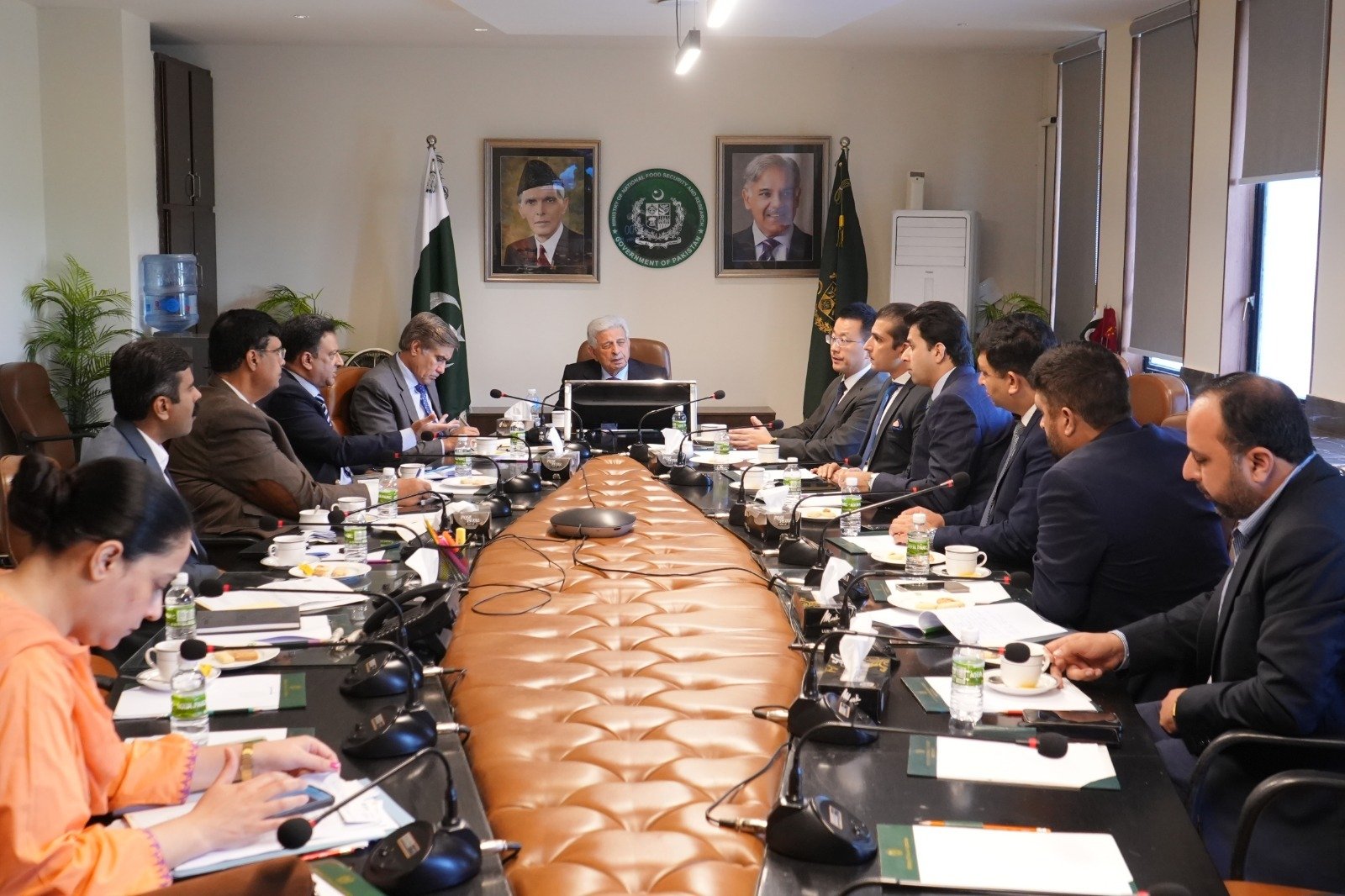
Minjie Ying, Head of Seeds Business for Africa, Middle East and Asia at Syngenta Group, visited Pakistan for high-level meetings with senior government officials, accompanied by Syngenta Pakistan’s Country General Manager Zeeshan Baig, Head of Corporate Affairs Syed Ali Murtaza, and Head of Field Crops Khurram Shahzad.
The discussions focused on expanding access to modern seed technologies for key crops, including cotton, corn, hybrid wheat, rice and sunflower. These crops are considered important for Pakistan’s agricultural economy, food security and export potential.
Cotton, a major raw material for Pakistan’s textile industry, and wheat, the country’s primary staple food, were highlighted as priority areas for agricultural innovation. Improved seed varieties could also help farmers increase yields, strengthen resilience against agricultural challenges and improve the competitiveness of the country’s farming sector.
During the Lahore visit, Ying and the Syngenta Pakistan delegation met with the Punjab Agriculture Department. The meeting was chaired by Punjab Agriculture Minister Syed Ashiq Hussain.
The engagement followed earlier discussions between Syngenta Group China’s leadership and the Punjab government in Beijing last year. Both sides explored ways to strengthen agricultural cooperation and facilitate the introduction of advanced seed technologies in Pakistan. The Punjab government assured the company of its full support.
In Islamabad, the delegation held meetings with the Federal Minister and Secretary for National Food Security and Research, the Chairman of the National Agri-Trade and Food Safety Authority (NAFSA), representatives of the Prime Minister’s Office and the Federal Secretary for Commerce.
The discussions also addressed regulatory issues related to biotechnology-based seed imports, approval of cotton varieties, taxation and customs classification of biological products, and regulations governing pesticide shelf life.
The delegation referred to international regulatory practices and scientific evidence while discussing ways to facilitate agricultural innovation. The engagements also come following the Government of Pakistan’s recent approval of the National Agricultural Biotechnology Policy.
Syngenta reaffirmed its commitment to collaborating with the Pakistani government to promote agricultural innovation, support farming communities and contribute to a more productive and sustainable agricultural sector.
During his four-day visit, Ying also toured agricultural fields across Punjab, where he met farmers and learned first-hand about the challenges affecting their farming operations.
The visit reflects growing opportunities for Pakistan-China cooperation in agricultural technology, particularly in developing improved seed solutions that could help address productivity challenges and strengthen the country’s long-term food security.