Mini LED TVs: What Pakistani Buyers Should Check Before Buying
Mini LED Is Not Enough: 3 Things That Determine Your TV’s Picture Quality
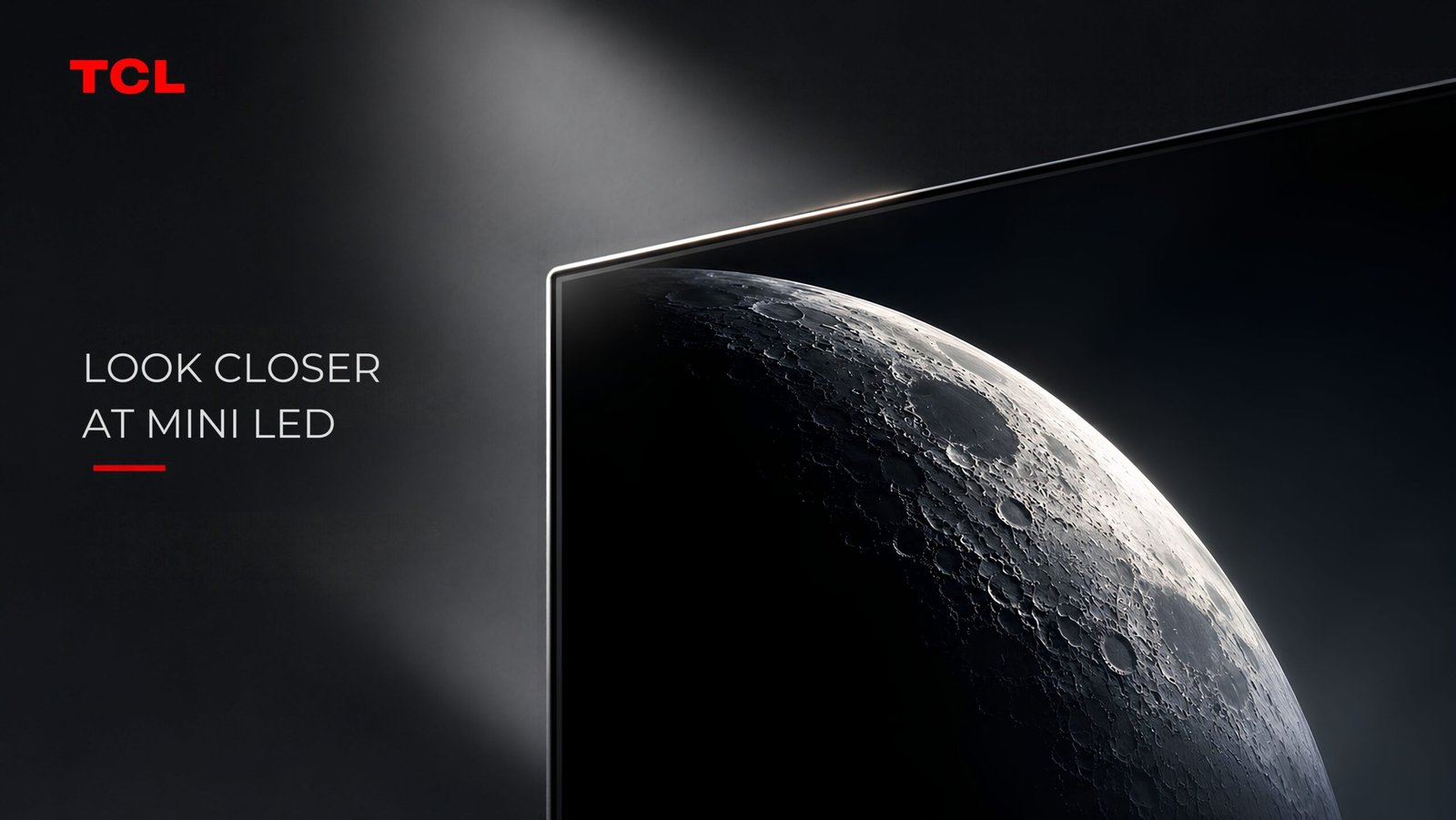
Mini LED technology promises better contrast and brighter pictures, but local dimming, dimming zones and backlight architecture determine the actual performance of televisions.
Mini LED TVs: Why the Technology Label Alone Doesn’t Guarantee Better Picture Quality
Lahore, Pakistan – November 19, 2026: As Mini LED televisions become increasingly common in Pakistan’s electronics market, consumers are facing a new challenge: understanding which models actually deliver superior picture quality and which rely primarily on attractive technology labels.
Although Mini LED has emerged as an important development in television technology, the presence of this feature on a product box does not necessarily mean buyers will enjoy better contrast, deeper blacks or sharper images. Differences in hardware design and light-control systems can significantly affect the viewing experience, even among televisions with similar prices and screen sizes.
Understanding What Mini LED Really Offers
Mini LED technology improves traditional LED television displays by using significantly smaller light-emitting diodes behind the screen. Their reduced size allows manufacturers to incorporate more light sources into the backlighting system, creating opportunities for more precise brightness management.
This arrangement can divide the display into multiple independently controlled lighting zones. By adjusting brightness in different areas, televisions can produce brighter highlights while keeping darker portions of an image relatively dark.
When implemented effectively, this technology can improve contrast, enhance detail in challenging scenes and deliver a more impressive viewing experience.
However, the technology’s potential depends heavily on how manufacturers design and control the backlighting system.
Why Two Mini LED TVs Can Produce Different Results
The term Mini LED identifies a particular type of backlight technology, but it does not establish the overall performance of a television.
Two models carrying the same label may have considerably different numbers of LEDs, different lighting arrangements and different levels of control over individual brightness zones.
These differences become particularly noticeable when watching films or programmes featuring dark backgrounds, bright lights and rapidly changing scenes.
A television with effective light management can maintain dark backgrounds while displaying bright objects with greater precision. A less capable system may produce unwanted light around bright objects, making dark scenes appear washed out.
Consequently, buyers should evaluate the actual display performance instead of relying exclusively on the technology advertised by manufacturers.
Three Technical Features Worth Checking
For consumers comparing Mini LED televisions, three factors deserve particular attention.
1. Hardware-Based Local Dimming
Local dimming determines how effectively a television adjusts brightness across different sections of its backlight.
The quality of this system plays an important role in controlling light leakage and maintaining contrast. Buyers should examine how the television manages its lighting zones and whether its dimming performance is supported by dedicated hardware rather than relying primarily on software-based processing.
2. Number of Dimming Zones
The number of independently controlled dimming zones is another important specification.
Generally, a greater number of zones provides more opportunities to control brightness precisely across the display. This can help improve dark-scene performance and reduce unwanted illumination around bright objects.
However, the zone count alone does not guarantee superior results. Processing quality and the manufacturer’s implementation of the technology also influence the final picture.
3. Full-Array or Edge-Lit Backlighting
Backlight architecture is equally important when comparing different television models.
A full-array arrangement places LEDs behind the display, allowing manufacturers to distribute lighting across the screen. This design can support more effective local dimming.
Edge-lit systems, by comparison, position their light sources around the edges of the display. Their lighting distribution and control capabilities can differ considerably from those of full-array designs.
Understanding this distinction can help consumers identify what kind of backlighting system they are actually purchasing.
Transparency Can Help Consumers Make Better Choices
Some manufacturers have started providing more detailed information about their Mini LED televisions, giving buyers a better opportunity to compare specifications.
TCL, for example, publishes dimming-zone figures for several Mini LED models available in Pakistan. Such disclosures offer consumers a useful starting point when assessing differences between television ranges.
Nevertheless, specifications should be considered alongside actual picture performance, as a higher zone count does not automatically make one television better than another.
What Pakistani Buyers Should Consider Before Purchasing
With Mini LED technology gradually reaching more affordable television categories, Pakistani consumers are likely to encounter an expanding selection of models at different price points.
For buyers working within a limited budget, comparing the underlying technology can be particularly valuable. Instead of choosing a television simply because its packaging advertises Mini LED, shoppers should ask retailers about its local dimming capabilities, the number of independently controlled zones and its backlight configuration.
It is also worth comparing televisions using the same high-contrast video content. Dark scenes, bright highlights and detailed shadows can reveal differences that ordinary promotional footage may not show.
Ultimately, Mini LED represents a meaningful advancement in television display technology, but its benefits depend on how effectively manufacturers implement it.
For Pakistani consumers, the smartest purchasing decision is therefore not about finding the television with the most impressive label. It is about identifying the model that delivers the best combination of backlight control, contrast and overall picture performance for the price.
Table of Contents
Related Stories
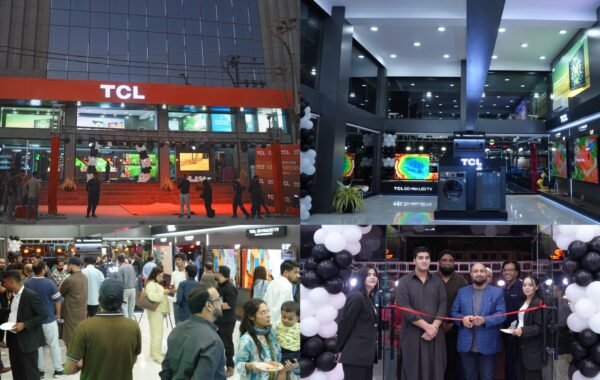
TCL Opens 8th Flagship Store in Karachi, Expands Retail Network to 25 Outlets Across Pakistan

TCL Donates Solar-Powered Ultra-Low-Power Display System to Senegal’s Youth Olympic Village
Pakistan Targets Digital Sovereignty Through AI, 5G and Cybersecurity