Pakistan Air Force in the Crucible of 1965
Written by: Izmi Herlani
There are moments in a nation’s history when dates cease to be dates and become living memories, moments when the fate of a country seems to hang between courage and catastrophe. September 1965 was one such moment for Pakistan. The guns roared along the frontier. Armoured columns moved toward Lahore. Across the country, uncertainty turned into fear as the reality of war sank in. Pakistan stood before a formidable challenge and the battlefield was no longer confined to the ground. Above it all stretched the sky and into that sky rose the Shaheens of Pakistan Air Force.
When Indian forces attempted to cross the international border on 06 September 1965, Pakistan Air Force did not have the luxury of numbers. Its resources were limited, its aircraft finite and its pilots painfully aware that every sortie could be their last but there are things no inventory can measure: Training, Discipline, Leadership, Courage and the unbreakable will to fight for one’s country. For the Men in Blues, the cockpit was not merely a place from which to fly, it was where duty became destiny. The call came—and they answered.
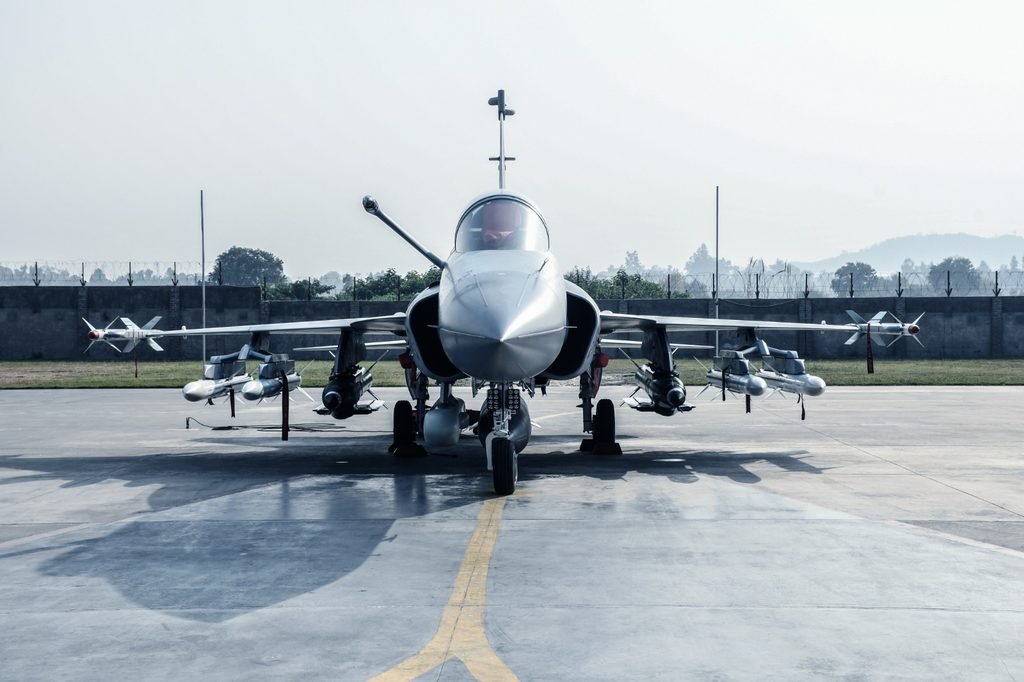
F-86 Sabres thundered from their dispersals. B-57 bombers disappeared into the darkness. Air-defence units watched the skies with relentless vigilance. Fighter pilots climbed toward an enemy that possessed numerical strength, knowing that somewhere beneath them were cities, soldiers, families and millions of civilians depending upon their ability to hold the line. The battle for Pakistan’s skies had begun. The aerial war of 1965 was fought at terrifying speed and merciless altitude. Aircraft met over the plains of Punjab. Guns flashed, Missiles and cannon fire tore through the air, Pilots manoeuvred within seconds of life and death often knowing that one mistake could mean a fiery descent from the sky. There was no time for hesitation, Only instinct, Only training & Only courage.
Among the men who entered that inferno was Squadron Leader Sarfaraz Ahmed Rafiqui, Shaheed—a name that would become synonymous with sacrifice. On 6 September, Rafiqui led his formation against the heavily defended Halwara airfield. Enemy fighters rose to meet them and the sky erupted into a furious contest of skill and nerve. Then disaster struck. Rafiqui’s guns jammed. His aircraft could no longer deliver fire effectively. Yet he did not simply turn away from the battle. He remained in the combat zone, continuing to engage the enemy and drawing attention away from his fellow pilots. He had lost the ability to fight as he wished but he had not lost the ability to lead. In those final moments, Rafiqui placed the survival of his men above his own. He did not return, his aircraft fell beyond the border but the man inside it rose into legend. That is what makes Rafiqui’s story so profoundly moving. His greatest act of courage was not merely facing the enemy. It was making a choice when every human instinct demanded survival and choosing his men instead. He sacrificed his tomorrow so that others could have theirs. That is leadership stripped of rank, ceremony and glory. That is sacrifice. And then came another name that would echo through the skies of 1965; Air Commodore M. M. Alam. On 7 September, flying his F-86 Sabre, Alam entered one of the most extraordinary aerial engagements of the war. In a breathtaking burst of combat skill, he was credited with shooting down five Indian aircraft in less than a minute making his combat tally of 9 confirmed IAF kills & 2 damaged enemy aircraft. The numbers were extraordinary, the circumstances were extraordinary but behind the feat stood something even more important: years of preparation compressed into seconds of decision. In the cockpit, there was no room for hesitation, no time to calculate odds. There was only the aircraft, the enemy and the instinct of a highly trained fighter pilot. For Pakistan, Alam’s achievement became more than a remarkable combat episode. It became a symbol of what PAF represented in those challenging days; a force that refused to allow numerical superiority to become psychological defeat.
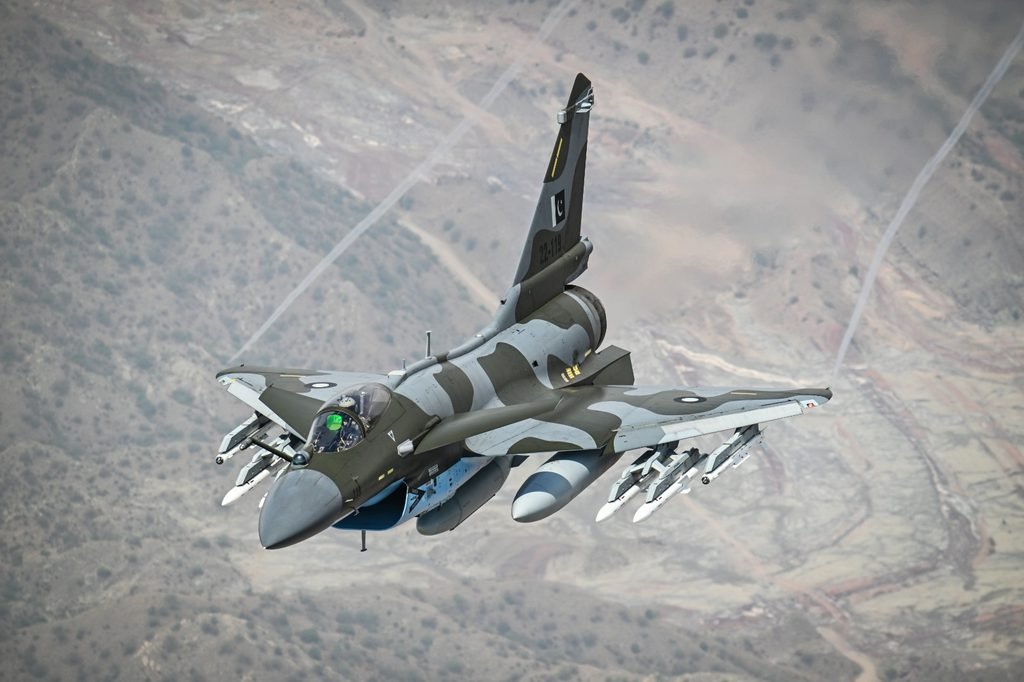
Yet the story of 1965 cannot belong only to the celebrated names. Behind every victorious pilot stood a fraternity of men whose names rarely appeared in headlines – the ground crew who worked through the night to return a damaged aircraft to service, the armourer loading weapons while the next sortie was already being prepared, the radar operator watching the screen for an approaching formation, the controller guiding fighters toward an unseen enemy, the technician repairing engines under the relentless pressure of wartime operations, the signals operator, the meteorologist, the maintenance crew and the countless men who kept the machines—and therefore the missions—alive. They were the invisible architecture of every aerial victory. And then there were those who returned. Some landed with aircraft scarred by enemy fire. Some climbed down from their cockpits knowing that a friend who had taken off beside them would never return. Some returned to the same runway again and again, carrying the weight of those they had lost. They were the Ghazis but alongside them stood another brotherhood—the Shaheeds. The brave men who never heard the celebrations. The valiant men who never walked back into their homes. The men whose families waited at doors that would never again open to the sound of their footsteps. Their sacrifice was not simply a military statistic, it was the price paid for sovereignty.
The 1965 war demonstrated a truth that remains relevant far beyond aviation: air power is not measured merely by the number of aircraft standing on a runway. It is measured by the people who fly them, by the men who maintain them, by the commanders who make decisions when seconds matter, by the training that transforms fear into action and ultimately, by the courage to enter the sky when the safest choice would be to remain on the ground. Pakistan Air Force entered the 1965 war facing a formidable numerical challenge. Yet its air warriors refused to allow numbers to determine the outcome of their spirit. They flew, they fought, they endured. And some gave everything. Six decades later, the sound of those Sabres and bombers may have faded from the skies, the runways have changed, the uniforms have evolved, the aircraft of that era now belong to history but the spirit of those brave men does not belong to history. It belongs to Pakistan. It lives in the name of Rafiqui, who chose his formation over his own life. It lives in the memory of M. M. Alam, whose extraordinary combat performance became part of the nation’s military heritage. It lives in every technician who worked through the darkness, every pilot who climbed into danger and every Shaheed who never came home and perhaps that is the most enduring legacy of September 1965: When the nation looked toward the sky, it did not see machines, it saw men who had decided that the sky would not be surrendered. They rose knowing that they might not return yet they rose anyway and in doing so, they left behind something greater than victory—a legacy of courage written not in ink but in fire across the September sky. The aircraft are gone, the battles are over, the men have passed into history but the sky still remembers.
Table of Contents