
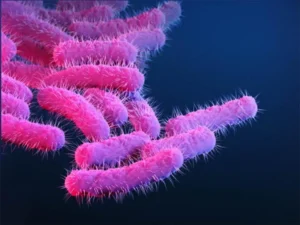
Researchers say the Shigella oral vaccine could become a major tool against a dangerous bacteria that is increasingly resistant to antibiotics.
A new experimental vaccine designed to prevent Shigella infections has produced encouraging results in a Phase 2 clinical trial, with researchers reporting an 89% protection rate against the disease.
The study, published in The Lancet Infectious Diseases, involved 73 healthy adults between the ages of 18 and 49. The trial was carried out at two medical research centers in the United States to assess the vaccine’s safety and effectiveness.
The vaccine, known as WRSs2, is a live but weakened oral vaccine developed to protect against Shigella sonnei, one of the most common species responsible for shigellosis. Volunteers received either two doses of the vaccine or a placebo for comparison.
Shigella is a highly contagious bacterium that causes intestinal illness, leading to symptoms such as diarrhea, stomach cramps, vomiting, and fever. The infection affects millions of people each year, particularly in regions with poor sanitation. Health experts are also concerned because several strains of the bacteria have become resistant to commonly used antibiotics.
According to the trial results, only three of the 34 participants who received the vaccine developed shigellosis, compared with 21 of the 26 participants who were given the placebo. Researchers said these findings indicate that the vaccine provides a high level of protection.
The study also found that vaccinated participants developed a strong immune response, suggesting the vaccine effectively prepares the body to fight the infection.
Most side effects reported during the trial were mild and temporary. However, after a small number of volunteers experienced stronger reactions, an independent Data Safety Monitoring Board reviewed the safety data and recommended lowering the vaccine dose for future studies.
Lead investigator Dr. Robert W. Frenck Jr. said the findings represent significant progress toward developing the world’s first effective vaccine against Shigella.
Researchers now plan to identify the most suitable dosage before launching larger clinical trials in countries where the disease is more widespread, particularly in parts of Africa, where young children face the highest risk of severe infection.