US Midterm Elections: Democrats Capture Both Chambers as Trump Concedes Defeat

Democrats Win Both Chambers as Trump Suffers Midterm Elections Defeat
Muslim-American candidates Ilhan Omar, Rashida Tlaib and Abdul El-Sayed secure major victories as Democrats strengthen their position in Congress.
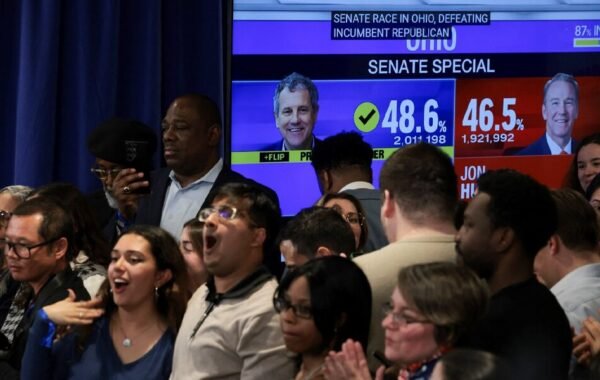
Democrats have secured a major political victory in the 2026 US midterm elections, gaining control of both chambers of Congress and dealing a significant setback to President Donald Trump and his Republican Party.
According to preliminary election results, Democrats have established a clear advantage in the House of Representatives and the Senate, potentially reshaping the political landscape in Washington for the remainder of Trump’s presidential term.
The results mark a major challenge for the Republican administration, as Democrats are now positioned to exert greater influence over legislation, government spending and key policy decisions.
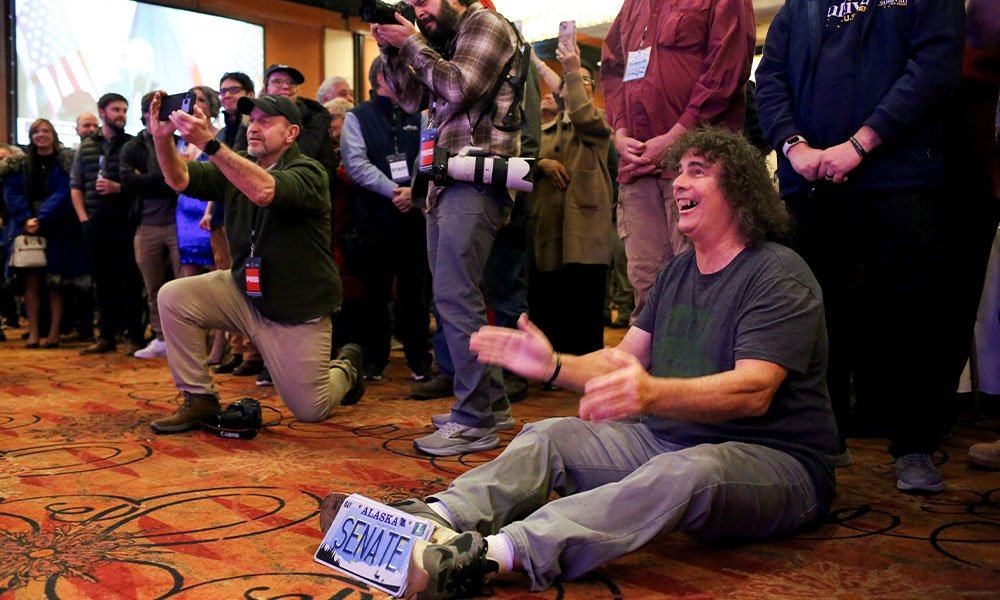
Democrats Make Major Gains in Congress
Early results shared on election platforms showed Democrats leading in 241 seats in the House of Representatives, compared with 149 for Republicans. Earlier figures cited in the election coverage put the Democratic lead at 235 seats against 144 for Republicans.
In the Senate, Democrats secured a reported 54 seats, while Republicans were projected to hold 44.
Democrats also performed strongly in several key states, including Georgia, Florida, Virginia, Illinois and North Carolina.
In Texas, Democratic candidate James Talarico secured a Senate victory, while Annie Andrews won the Senate race in South Carolina.
North Carolina also delivered a significant breakthrough for Democrats, with Roy Cooper defeating Republican candidate Michael Whatley.
Meanwhile, Democratic Senator Jon Ossoff secured re-election in Georgia.
Muslim-American Candidates Celebrate Historic Victories
The 2026 midterm elections also brought significant achievements for Muslim-American political representation.
Minnesota Democratic Congresswoman Ilhan Omar won re-election in the state’s Fifth Congressional District, defeating Republican challenger John Nagel.
Michigan Congresswoman Rashida Tlaib also secured another term, strengthening her position as one of the most prominent Muslim voices in the US House of Representatives.
Another major development came from Michigan, where Egyptian-American Democrat Abdul El-Sayed reportedly won a Senate seat, making history as the first Muslim member of the US Senate.
In New Jersey, Adam Hamawy also secured victory, becoming the state’s first Muslim-American member of Congress.
These victories represent an important milestone for Muslim and Arab-American communities seeking greater representation in US politics.
Democrats Strengthen Their Position in State Elections
Democratic candidates also performed strongly in gubernatorial contests across the country.
According to preliminary figures, Democrats were leading in 27 gubernatorial races, compared with 20 for Republicans.
In Ohio, Democratic candidate Amy Acton defeated Republican Vivek Ramaswamy to win the governorship.
Democratic governors Maura Healey of Massachusetts, Wes Moore of Maryland and Josh Shapiro of Pennsylvania also secured re-election.
The results indicate that Democratic gains extended beyond Congress, potentially strengthening the party’s influence at the state level.
Trump Accepts Election Results but Defends Iran War Decision
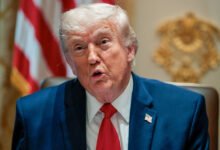
President Donald Trump acknowledged the Republican setback, linking the election outcome to the ongoing war involving Iran.
According to Reuters, Trump said the conflict had contributed to the party’s defeat but maintained that he had no regrets about his decision to launch military action against Iran.
He also expressed willingness to work with Democrats, although he warned that he would veto measures he considered unacceptable.
Trump further confirmed that he had no immediate plans to make changes to his cabinet and reiterated his support for Defence Secretary Pete Hegseth.
In a separate statement on X, Trump argued that Republicans would have performed much better if his name had appeared on the ballot.
He also blamed some Republican leaders for the disappointing results and suggested that he would now take on the role of a political commentator, analysing why candidates won or lost.
Why the Midterm Results Matter for Trump’s Presidency
The US midterm elections take place halfway through a president’s four-year term and often serve as a public assessment of the administration’s performance.
The US Congress consists of 535 seats, including 435 in the House of Representatives and 100 in the Senate.
A party needs at least 218 seats to secure a majority in the House, while 51 seats generally provide a Senate majority.
Democratic control of both chambers could significantly complicate Trump’s legislative agenda over the next two years.
Congress plays a central role in approving federal budgets, passing legislation and overseeing government activities. The Senate also holds considerable authority over presidential nominations for senior government positions and federal judgeships.
With Democrats controlling both chambers, the administration could face stronger scrutiny, legislative resistance and increased political pressure.
Record Voter Participation and Campaign Spending
The 2026 midterm elections also attracted substantial voter participation.
More than 57 million Americans had reportedly cast early ballots by Monday, surpassing the 46 million early votes recorded during the 2022 midterm elections.
The election campaign was also expected to become one of the most expensive in American history.
According to estimates by the nonpartisan organisation OpenSecrets, candidates and political groups were expected to spend approximately $11.9 billion on campaigning.
Billionaire Elon Musk had reportedly spent around $366 million supporting Republican candidates by three weeks before the election.
The results could have far-reaching consequences for American domestic politics, foreign policy and the balance of power in Washington, presenting President Trump with one of the biggest political challenges of his presidency.