Pakistan Considers Ending 200-Unit Electricity Relief Limit, Says Awais Leghari
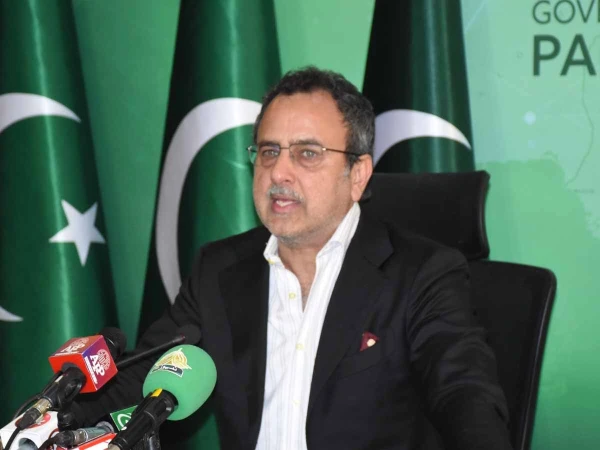
Pakistan May End 200-Unit Electricity Relief Limit
Government Considers Poverty-Based Electricity Subsidies for Low-Income Households
ISLAMABAD, October 27, 2026: Pakistan is considering replacing the existing 200-unit electricity consumption threshold for bill relief with a poverty-based system to ensure that subsidies reach financially vulnerable households, Federal Minister for Energy Awais Leghari told the Senate.
Speaking during Question Hour, Leghari said the government was reviewing the current relief mechanism because some financially well-off consumers use solar energy to keep their electricity consumption from the national grid below 200 units, allowing them to benefit from subsidised rates.
The proposed change aims to shift the focus from electricity consumption alone to the financial circumstances of consumers, particularly those living below the poverty line.
Government Reviews Electricity Subsidy Mechanism
Leghari said the government was working on a system that would determine eligibility for electricity relief based on poverty rather than the number of units consumed.
He stressed the need to review electricity tariff slabs to address the issue. According to the minister, the number of consumers using up to 200 units of electricity has reached approximately 20 million, with many among them also using solar energy.
The proposal comes amid ongoing concerns about electricity affordability and the structure of protected consumer tariffs.
During the Senate proceedings, Senator Abid Sher Ali highlighted the financial difficulties faced by protected consumers, arguing that even subsidised electricity bills had become difficult for many households to afford.
He also questioned the impact of crossing the 200-unit threshold, saying that consuming even one additional unit could result in a sharp increase in the bill. He asked whether electricity theft losses were also being passed on to ordinary consumers.
Circular Debt Falls to Rs1.67 Trillion
The energy minister also provided an update on the power sector’s financial position, stating that circular debt had declined to Rs1,670 billion.
According to Leghari, the government aims to eliminate circular debt over the next four years. He added that the debt servicing surcharge associated with circular debt is also expected to be phased out during the same period.
He further said that budgetary support for the Ministry of Energy had decreased from Rs1,180 billion when the current government took office to Rs700 billion in the current fiscal year.
The minister noted that distribution companies, commonly known as DISCOs, had reduced their losses annually. However, he acknowledged that the benefits of these reductions had not yet been passed on to electricity consumers.
Senate Session Faces Quorum Issues
The Senate session also experienced disruptions because of the absence of government members and a shortage of lawmakers to meet the required quorum.
Opposition senators raised concerns about the absence of ministers during Question Hour and questioned how members’ queries would be answered. The proceedings were temporarily suspended after the quorum requirement was not met.
The session resumed after a break, with members returning to the chamber and the quorum eventually being completed.
Meanwhile, journalists staged a walkout from the parliamentary press galleries to protest over their unresolved issues. Senators from the government and opposition benches met the journalists and assured them that their concerns would be addressed, after which the protest was called off.
The Senate session was subsequently adjourned until 3 pm on Thursday.
Important: The proposed change to the 200-unit relief threshold is under consideration. No final implementation date or confirmed replacement policy was announced in the statement provided.