
US Says Iran-Hormuz Strait Deal Could Be Reached Within 24–48 Hours, Shipping May Resume
WASHINGTON: The United States has indicated that a breakthrough agreement with Iran over the reopening of the Strait of Hormuz could be reached within the next 24 to 48 hours, potentially restoring unrestricted commercial shipping through one of the world’s most strategically important waterways.
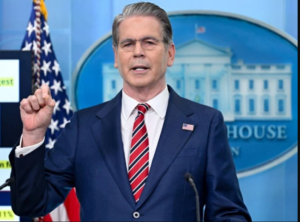
Speaking in an interview with CNBC, US Treasury Secretary Scott Bessent said American and Iranian officials remain in contact and are optimistic that an agreement could be finalized as early as today or tomorrow. According to Bessent, the proposed arrangement would allow the Strait of Hormuz to reopen fully for international maritime traffic without any tolls or transit fees imposed on commercial vessels.
The comments come shortly after US President Donald Trump confirmed that negotiations with Iran are underway, fueling expectations of a diplomatic breakthrough after weeks of regional tensions.
Meanwhile, US Secretary of State Marco Rubio acknowledged that discussions involving Iran and Oman had made progress but cautioned that no final agreement has yet been signed. Speaking to reporters at the State Department, Rubio expressed optimism that negotiations were moving in a positive direction.
Iran has not immediately responded to the latest US claims. Tehran has consistently maintained that it is not engaged in direct negotiations with Washington, although indirect diplomatic contacts have reportedly continued through regional mediators.
Qatar has also confirmed that indirect diplomacy between the United States and Iran remains active. Qatari Foreign Ministry spokesperson Majed Al-Ansari said both Qatar and Oman are facilitating the exchange of proposals and draft agreements in an effort to restart formal negotiations.
Media reports suggest that Omani mediation has focused on various proposals regarding the future management of maritime traffic through the Strait of Hormuz. Iran is reportedly seeking limited administrative authority over inbound and outbound shipping routes, while the United States insists that international navigation must remain free and uninterrupted without any country charging commercial transit fees.
Financial markets reacted positively to the developments. Global crude oil prices fell sharply as investors anticipated improved energy supplies if maritime traffic through the Strait of Hormuz returns to normal. Both Brent crude and West Texas Intermediate (WTI) futures recorded notable declines following the reports.
If an agreement is successfully concluded, it could ease pressure on global energy markets while also creating momentum for broader diplomatic engagement between Washington and Tehran.