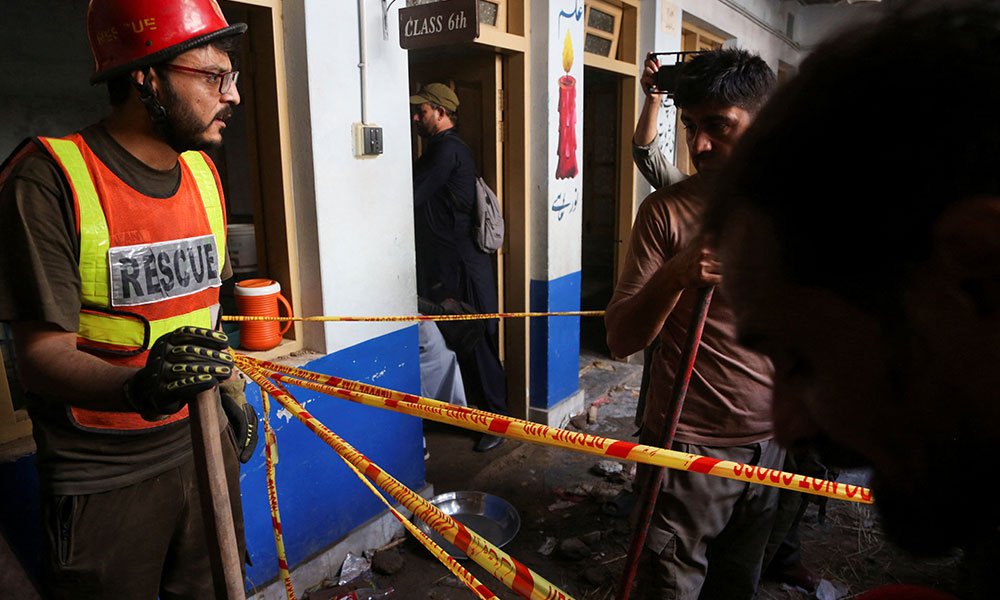
Mohsin Naqvi Calls for Institutional Reforms, Urges Business Community to Help Shape Pakistan’s Future
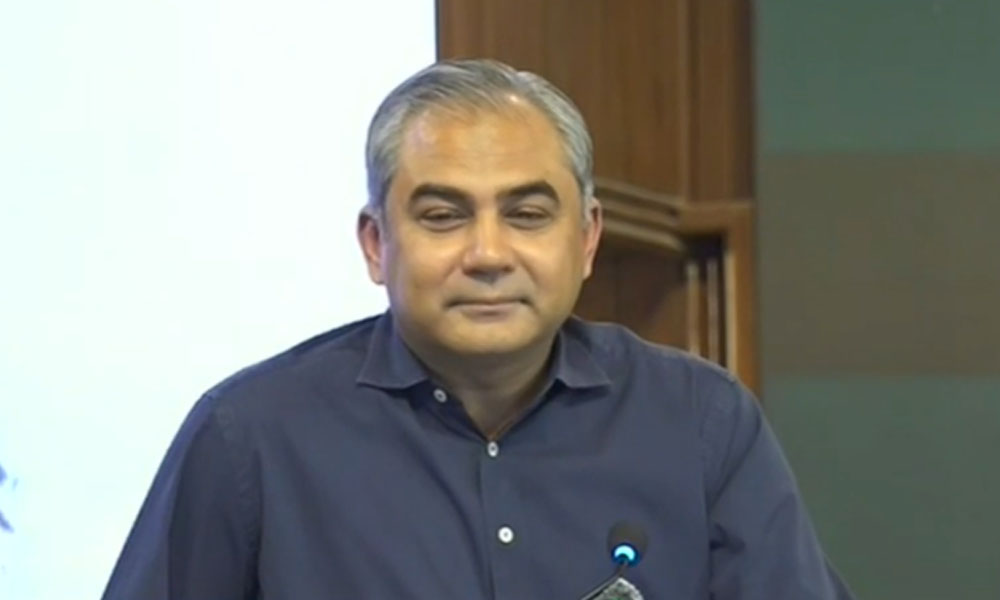
Mohsin Naqvi Pushes for Governance Reforms, Political Consensus at Pakistan Economic Summit
ISLAMABAD: Federal Interior Minister Mohsin Naqvi has called for comprehensive institutional reforms, greater political consensus and stronger participation from Pakistan’s business community, saying these measures are essential to building a stable and prosperous future for the country.
Speaking at the Pakistan Economic Summit in Islamabad on Thursday, Naqvi said Pakistan’s governance challenges cannot be resolved without structural reforms, administrative decentralization and cooperation among political stakeholders.
He said discussions during the summit reflected widespread concerns about governance, public service delivery and economic development. While acknowledging Pakistan’s improving international image and expanding economic opportunities, the minister stressed that persistent governance weaknesses have prevented the country from achieving its full potential.
Mohsin Naqvi emphasized that Pakistan’s governance system requires fundamental reforms, adding that democracy must operate through an efficient and responsive administrative structure capable of meeting modern-day challenges. He warned that temporary solutions would continue to fall short unless the country’s institutional foundations were strengthened.
The interior minister also advocated creating additional administrative units or provinces to bring justice, government services and decision-making closer to citizens. He said people should not have to travel long distances to access courts and essential public services, noting that effective local governance is vital for sustainable economic growth.
Addressing the role of the private sector, Mohsin Naqvi urged business leaders to play a more active role in shaping national policies rather than limiting their contribution to financing election campaigns. He said entrepreneurs possess valuable management expertise that can help address Pakistan’s complex governance and economic challenges.
Highlighting the country’s youth, he said young Pakistanis are seeking merit-based employment, equal opportunities and transparent governance instead of temporary financial assistance. Ignoring their aspirations, he warned, could create long-term social and economic challenges.
Naqvi also criticized Pakistan’s continued reliance on borrowing to finance annual budgets, saying structural reforms are necessary to achieve lasting economic stability. He called on all political parties to engage in meaningful dialogue and develop a broad national consensus on governance reforms.
He suggested that proposals for administrative reforms should be debated in Parliament, universities, colleges and the media, allowing public opinion to guide the country’s future governance model.
Concluding his address, Naqvi reaffirmed his support for institutional reforms and expressed his willingness to engage with stakeholders from Khyber Pakhtunkhwa and Balochistan on initiatives aimed at promoting peace, stability and national unity.
Table of Contents
Related Stories
PM Shehbaz Announces Rs160 Billion Development Package for Khyber Pakhtunkhwa
Field Marshal Asim Munir Meets Iranian Leadership as Tehran Rules Out US Talks Without Concessions
PMA Kakul Holds Passing Out Parade of Four Courses, Foreign Cadets Also Graduate