

Saudi Arabia Warns Houthis of Serious Consequences
RIYADH: Saudi Arabia has issued a stern warning to Yemen’s Houthi movement, saying continued attacks against the Kingdom will carry serious consequences as tensions rise over reported missile and drone strikes targeting Saudi territory.
The warning came during a Cabinet meeting chaired by Crown Prince Mohammed bin Salman in Riyadh on Tuesday, October 13, according to a report citing Reuters and Saudi state media.
The Saudi Cabinet reiterated that attacks against the Kingdom would not be tolerated, signalling growing concern over threats to national security and critical infrastructure.
Riyadh Airport Attack Heightens Security Concerns
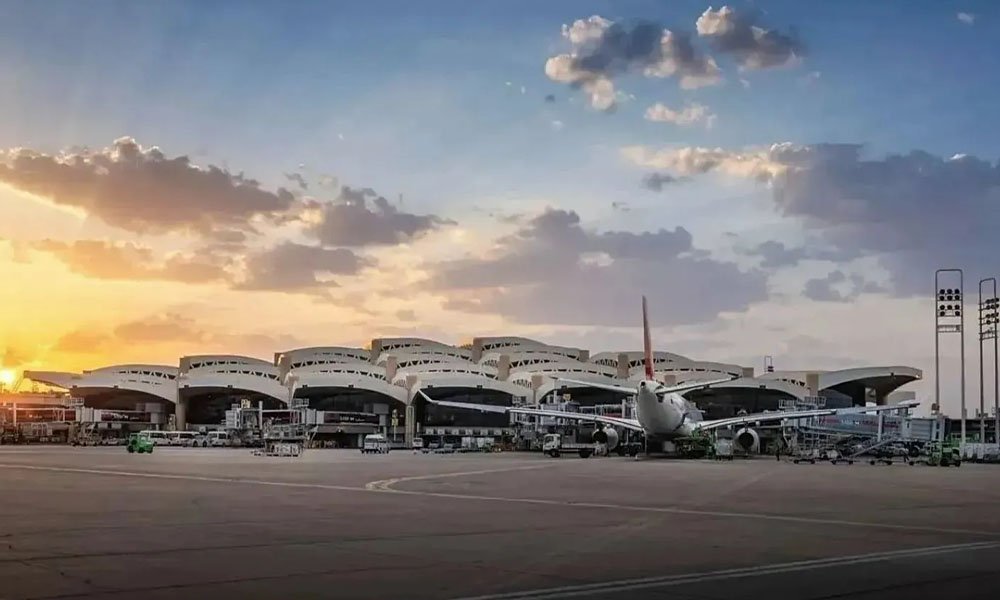
The latest warning follows reports of a deadly missile attack on King Khalid International Airport in Riyadh. According to the supplied report, the incident on Saturday killed 13 people and injured more than 300 others.
A Houthi military spokesperson reportedly claimed responsibility for the attack, stating that Riyadh airport and other important Saudi facilities had been targeted.
A further reported incident at Terminal 4 on Sunday left one person dead and 11 others injured. The incidents reportedly disrupted airport operations and prompted Saudi authorities to tighten security arrangements.
The reported attacks have raised concerns about the vulnerability of major transport hubs and other strategic facilities amid renewed regional hostilities.
Fears of Further Military Escalation
Saudi Arabia’s latest warning comes amid growing concerns that the confrontation with the Houthis could develop into a broader military conflict.
Any expansion of Saudi military operations in Yemen could trigger retaliatory missile and drone strikes against airports, energy infrastructure and other strategic locations. Such developments could also increase risks to civilians and disrupt regional transport and trade.
The Houthis have reportedly warned of retaliation if attacks against their positions in Sanaa intensify, raising the possibility of further exchanges between the opposing sides.
The situation also presents challenges for regional security efforts, as renewed hostilities could undermine diplomatic initiatives aimed at stabilising Yemen.
Yemen’s Long-Running Conflict
Yemen has experienced years of conflict rooted in political instability, competing power centres and regional rivalries.
The Houthi movement seized the capital, Sanaa, in 2014, forcing the internationally recognised government from the city. In March 2015, Saudi Arabia led a military coalition into Yemen to support the government and counter the Houthi advance.
Iran has been a key regional supporter of the Houthis, while Saudi Arabia has backed Yemen’s internationally recognised government. However, the conflict also reflects domestic political divisions, tribal dynamics and disputes over political authority.
Despite international diplomatic efforts, Yemen has yet to achieve a comprehensive political settlement.
Fragile Truce Efforts Face New Challenges
A United Nations-brokered truce in 2022 helped reduce fighting on several fronts, creating hopes for a broader peace agreement. Subsequent negotiations between Saudi Arabia and the Houthis sought to advance a lasting ceasefire and establish a political roadmap.
However, a comprehensive settlement remained elusive, leaving the underlying causes of the conflict unresolved.
The latest reported developments point to renewed uncertainty over Yemen’s security situation and the durability of diplomatic efforts.
Saudi Arabia’s warning underscores the seriousness with which Riyadh views continued attacks. Whether the confrontation escalates further will depend on the military and political decisions taken by the parties in the coming days.
A renewed cycle of attacks could have consequences extending beyond Yemen, affecting regional stability, civilian security and vital transport and energy infrastructure.